
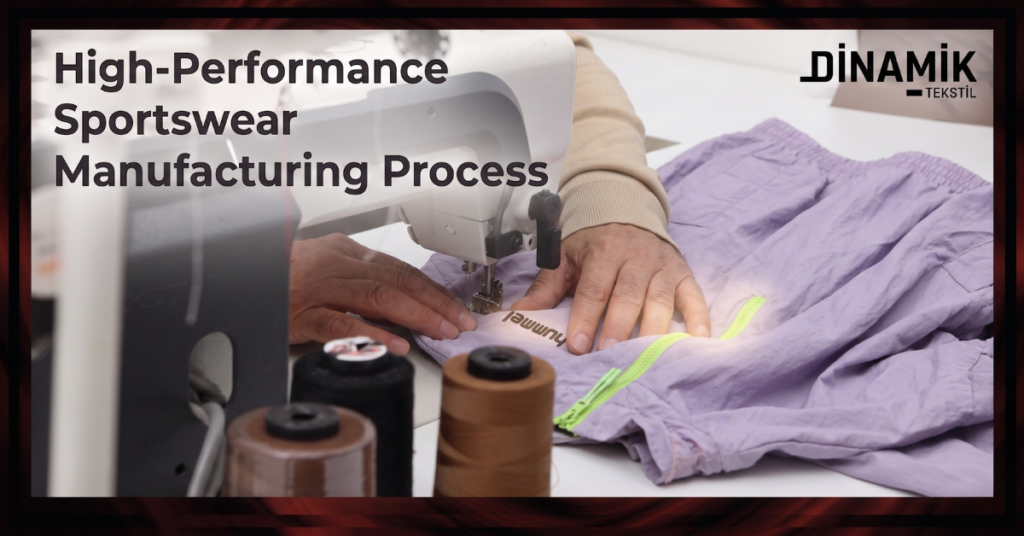
The global activewear market demands precision, durability, and innovation. At the core of this demand is High-Performance Sportswear Manufacturing Process, a highly technical process designed to meet the rigorous needs of modern athletes and active consumers.
For B2B brand managers and purchasing directors looking to import premium garments, understanding this supply chain is crucial. Meeting the exacting standards often seen in industry leaders like Lacoste, New Balance, and Hummel requires advanced machinery, strict compliance, and innovative material sourcing.
Discover expert Turkey B2B Sportswear production.
Seamless Sportswear Production Techniques
Seamless technology has revolutionized activewear by eliminating traditional stitching, reducing chafing, and improving overall garment durability.
- Circular Knitting: Utilizes specialized Santoni machines to knit complete garment tubes.
- Targeted Compression Zones: Integrates varying tension levels directly into a single fabric piece.
- Ultrasonic Welding: Joins fabrics using high-frequency sound waves instead of thread for a flat, aerodynamic finish.
“Seamless manufacturing reduces fabric waste by up to 30%, making it a highly sustainable choice for modern activewear brands.”
Compression Wear Manufacturing Standards
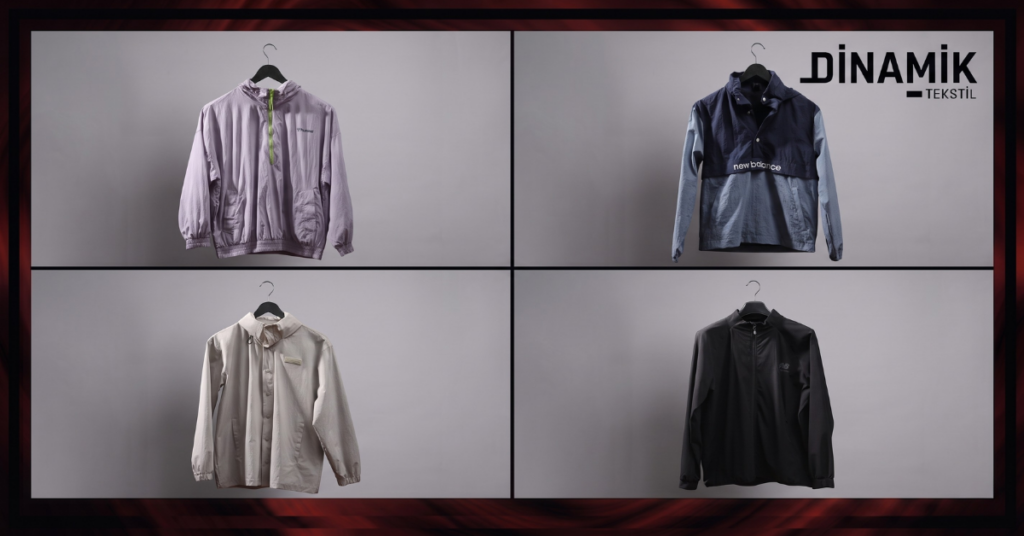
Compression garments require extreme precision to ensure they provide actual physiological benefits, such as enhanced blood flow and reduced muscle fatigue.
- Graduated Pressure Profiles: Pressure must be highest at the extremities and decrease towards the core.
- Elastane Retention: Fabric must maintain its shape after 100+ stretch cycles.
- Medical-Grade Testing: Measuring mmHg (millimeters of mercury) pressure levels.
- Burst Strength Optimization: Fabric must withstand intense athletic movements without tearing.
- Seam Flatness: Utilizing flatlock stitching to prevent skin irritation.
Best Fabrics For Custom Sportswear
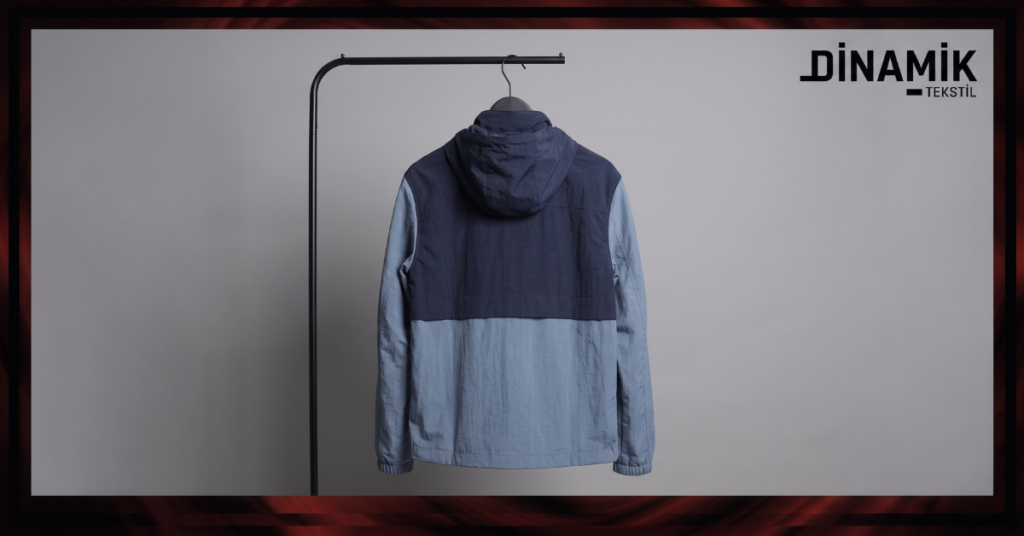
Selecting the right material is the foundation of high-performance sportswear manufacturing. Below is a comparison of the most effective textiles used in the B2B export market today:
| Fabric Type | Primary Function | Ideal Garment Application |
| Nylon-Spandex Blend | Maximum durability and stretch | Leggings, compression tops |
| Polyester Microfiber | Moisture management and printability | Sublimated jerseys, running tees |
| Merino Wool | Natural thermal regulation | Base layers, winter activewear |
| Recycled PET | Eco-friendly performance | Sustainable yoga wear, jackets |
Choosing the correct fabric blend directly impacts the garment’s longevity and the end-user’s athletic performance.
1. Moisture-Wicking Technology In Activewear
Moisture-wicking fabrics rely on capillary action. This technology pulls sweat away from the skin to the fabric’s outer layer, where it evaporates quickly. The key to effective wicking is the microscopic structure of the synthetic fibers, which are engineered to repel water natively.
2. Four-Way Stretch Materials Explained
Unlike two-way stretch fabrics that only stretch horizontally, four-way stretch materials expand both crosswise and lengthwise. This is achieved by weaving high percentages of elastane (spandex) into the warp and weft of the fabric, ensuring total freedom of movement for the athlete.
3. Anti-Odor Treatments In Gym Clothes
To combat the buildup of bacteria caused by sweat, advanced sportswear incorporates anti-odor technology. This is most commonly achieved through silver ion treatments or antimicrobial chemical dips during the dyeing process, which neutralize odor-causing bacteria at the microscopic level.
4. Breathable Mesh Panels For Activewear
Strategic ventilation is critical. By mapping the human body’s heat zones (such as the underarms and lower back), manufacturers insert breathable mesh panels. This allows for optimal airflow, regulating the athlete’s core body temperature during high-intensity training.
To master the core fundamentals of activewear, explore our guide on What Is Sportswear Clothing?
2 Key Factors In Sportswear Production
For international brands looking to streamline their import process, managing the technical communication and final inspection phases is vital for success.
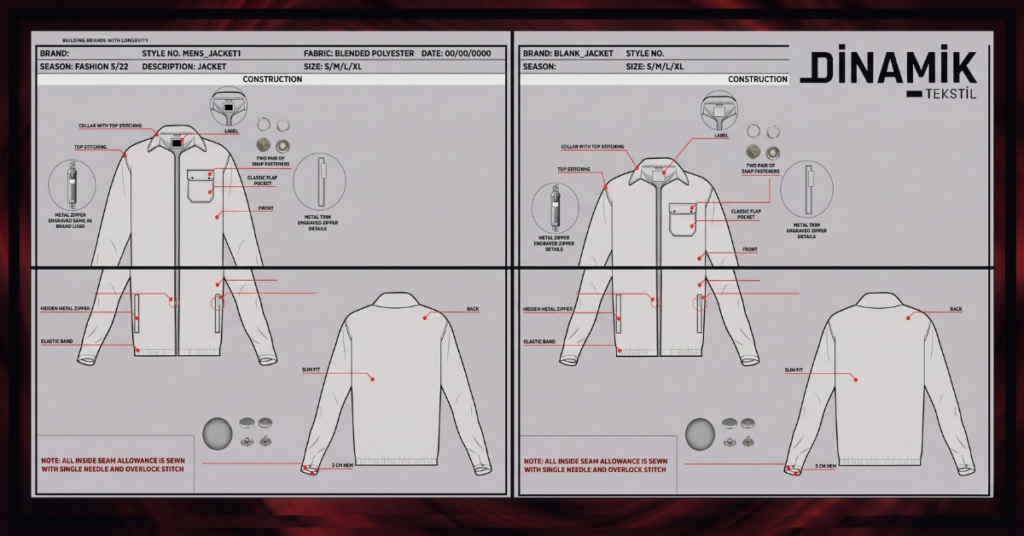
1. Creating Tech Packs For Sportswear
A Tech Pack (Technical Package) is the blueprint of your garment. An incomplete tech pack is the leading cause of production delays.
Your sportswear tech pack must include:
- Detailed vector flats (front, back, side)
- Exact Bill of Materials (BOM)
- Stitching types (e.g., 4-needle 6-thread flatlock)
- Graded measurement charts for all sizes
2. Quality Control In Activewear Manufacturing
Quality Control (QC) ensures that bulk production matches the approved prototype. B2B importers must insist on strict AQL (Acceptable Quality Limit) 2.5 standards.
Key QC checkpoints include:
- Color Fastness Testing: Ensuring dyes do not bleed during washing or heavy sweating.
- Stretch and Recovery Tests: Verifying the fabric returns to its original shape.
- Pilling Resistance: Checking that the fabric surface remains smooth after friction.