
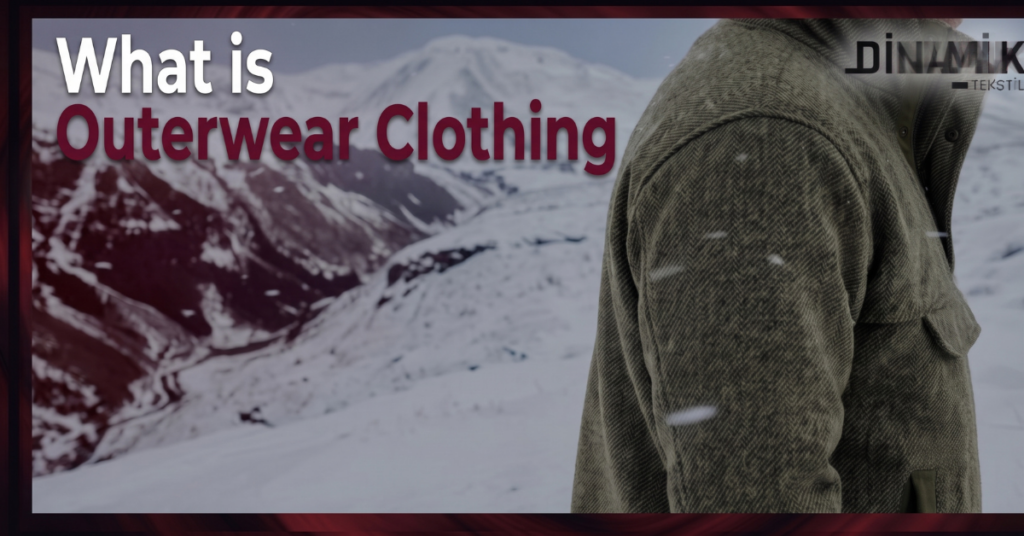
For brand managers and supply chain directors, defining Outwear Clothing is the first step in building a robust, weather-resistant apparel collection. By definition, these are specialized garments designed to be worn over standard indoor clothing to protect the wearer from external environmental elements.

Developing premium outerwear requires access to an advanced production infrastructure that meets the rigorous standards set by industry leaders like Lacoste, New Balance, and Hummel. Sourcing globally allows brands to utilize cutting-edge manufacturing techniques to create functional and durable collections.
“For brands looking to scale with efficiency and zero-compromise on quality, integrating B2B Outerwear Turkey into your production cycle is a proven strategy for success.”
What Are The Different Types Of Outerwear?
The outerwear category covers a broad spectrum of utility and seasonal garments. For international B2B sourcing, understanding these categories is essential for precise production planning.
- Trench Coats: Water-resistant layers for transitional climates.
- Parkas: Heavy-duty, insulated coats for freezing temperatures.
- Windbreakers: Lightweight, athletic shells for active mobility.
- Puffer Jackets: Highly insulated garments with quilted construction.
- Fleece Jackets: Breathable thermal mid-layers.
Types Of Summer Jackets For Women’s
Outerwear extends beyond winter apparel. A well-rounded collection must include lightweight options designed to shield against mild summer breezes or sudden rain without causing overheating.
- Denim Jackets: Classic, unlined cotton structures.
- Linen Blazers: Maximum breathability for warm climates.
- Light Bomber Jackets: Thin nylon or silk-blend casual wear.
- Cropped Windbreakers: Essential for summer athletic lines.
“To discover how smart fabrics and advanced climate-control materials are redefining the industry, explore our latest insights on the future of High Tech Outerwear.”
What Fabrics Are Outerwear Items Made From?
The performance of any jacket relies entirely on its raw materials. Selecting the correct technical fabric is the most critical decision in the B2B manufacturing process.
Using certified, performance-grade fabrics ensures garment longevity and establishes brand trust in the global market.
| Fabric Material | Primary Function | Ideal Garment Type |
| Gore-Tex / Coated Nylon | 100% Waterproofing and wind resistance | Raincoats, athletic shells |
| High-Density Polyester | Exceptional durability and moisture control | Activewear, puffer outers |
| Wool Blends | Natural thermal insulation | Formal coats, peacoats |
| Fleece / Microfleece | Lightweight heat retention | Hiking gear, mid-layers |
 Turkey Types of Summer Jackest for Woman’s
When engineering garments for sub-zero conditions, the down-filled parka remains the industry standard for maximum thermal retention.
By utilizing high-fill-power down or advanced synthetic alternatives (like PrimaLoft), manufacturers create an insulating barrier that traps body heat perfectly.
For extreme environments, adding a windproof and water-repellent outer shell is absolutely critical.
Which items of Clothing Are Considered Outerwear?
Any garment specifically engineered to be the outermost layer against weather elements is considered outerwear. This broadly includes heavy coats, rain jackets, vests, ponchos, and athletic windbreakers.
Are Cardigans Considered Outerwear?
In standard apparel classifications, no. Cardigans are typically categorized as knitwear or mid-layers. However, heavy-knit cardigans treated with weather-resistant linings can serve as functional outerwear in dry, mild conditions.
What Outerwear To Wear In Summer?
Summer outerwear should prioritize ventilation and UV protection. The most effective garments are unlined nylon windbreakers, UV-blocking athletic zip-ups, lightweight denim, and breathable cotton-blend overshirts.