
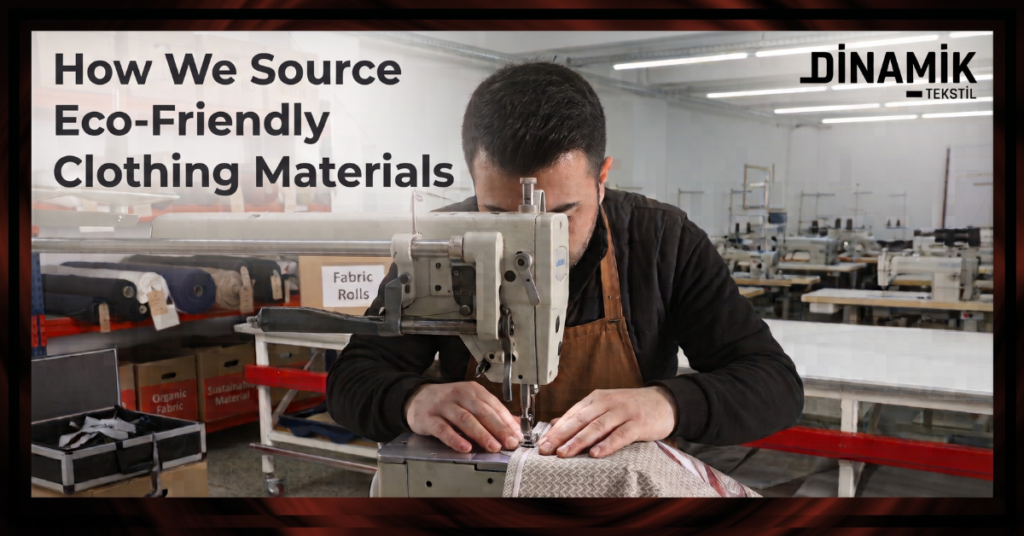
The global apparel market is shifting rapidly towards sustainability, driven by conscious consumers and strict international regulations. For B2B brand managers and purchasing directors looking to elevate their supply chains, finding reliable Eco Friendly Clothing Materials is the first critical step.
Global benchmarks set by industry giants such as Lacoste, New Balance, and Hummel demonstrate that sustainability and premium garment quality must seamlessly go hand in hand. Securing the right textiles ensures your brand remains competitive and environmentally responsible in the international export market.
To source high-tech Turkey outerwear for your next 100 percent sustainable collection, click here to explore our manufacturing solutions.
Eco-Friendly Clothing Production Process Explained
Sustainable manufacturing goes beyond just the fabric; it encompasses the entire production cycle. Efficient processes drastically reduce carbon footprints and industrial water consumption.
- Low-Impact Dyeing: Utilizes heavy-metal-free dyes and requires significantly less water.
- Closed-Loop Systems: Captures and recycles water and chemicals used during production.
- Renewable Energy Sourcing: Transitioning factory operations to solar or wind power.
- Ethical Labor Practices: Ensuring safe environments and fair wages across the supply chain.
Minimizing Waste In Garment Production
Textile waste is a critical issue in traditional B2B manufacturing. Optimizing the cutting and sampling phases is essential for modern brands.
- Zero-Waste Pattern Cutting: Strategically arranging patterns to maximize fabric usage.
- Scrap Recycling: Collecting fabric offcuts to be spun into new, usable yarn.
- 3D Digital Prototyping: Eliminating physical sample waste and reducing carbon emissions from shipping iterations.
“Implementing digital sampling can reduce material waste by up to 20% before bulk production even begins.”
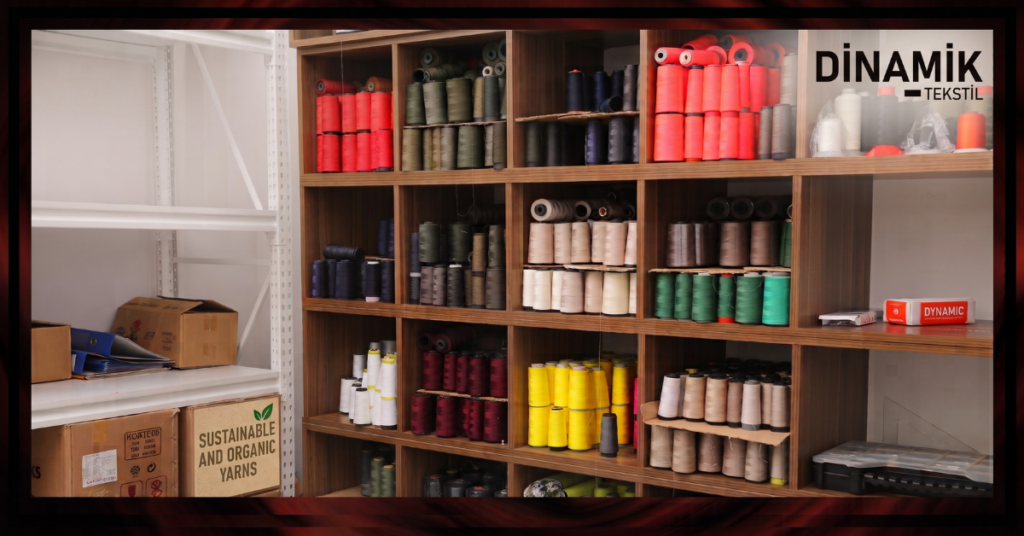
Best Environmentally Friendly Materials For Clothing
Selecting the correct sustainable textile depends on the garment’s intended use. Below is a comparison of the top eco-friendly fabrics demanded by the global market:
| Material Type | Source Origin | Best Garment Application | Key Environmental Benefit |
| Organic Cotton | Non-GMO seeds | Premium T-shirts, loungewear | No toxic pesticides or synthetic fertilizers |
| Recycled Polyester (rPET) | Post-consumer plastic bottles | Activewear, sports jerseys | Diverts plastic waste from landfills |
| Tencel™ Lyocell | Sustainably managed forests | Blouses, lightweight shirts | Uses a closed-loop solvent system |
| Econyl® | Reclaimed ocean fishing nets | Swimwear, high-stretch activewear | Infinitely regenerable nylon |
Incorporating these 3 eco-conscious materials ensures high performance in cold climates. Click here to learn What Are The Different Types Of Outerwear? and find the perfect match for your brand.
1. Using Organic Cotton In Apparel Production
Conventional cotton cultivation is notoriously water-intensive. Organic cotton uses significantly less water and maintains long-term soil health. It provides a noticeably softer hand-feel and higher breathability, which is essential for premium streetwear and high-end casual collections.
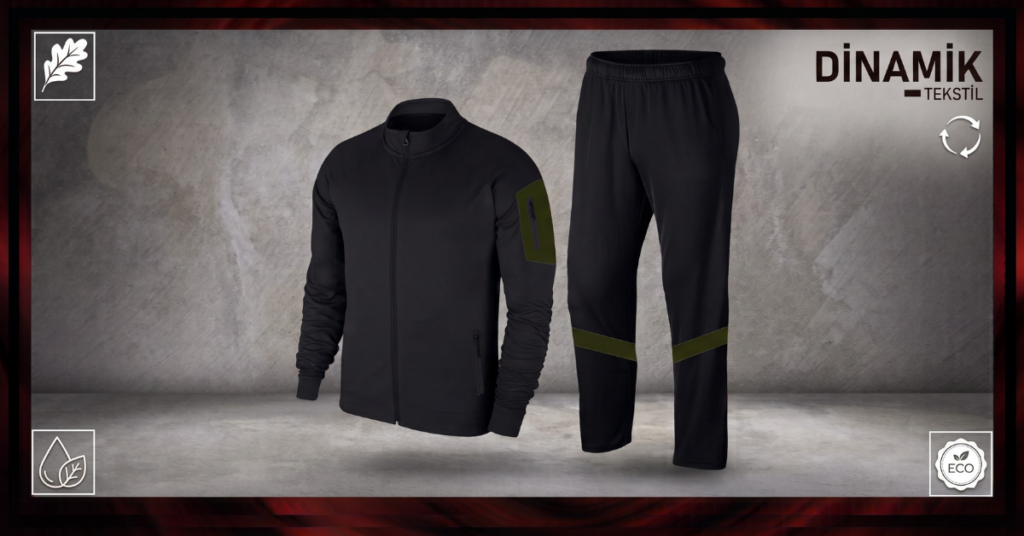
2. Best Eco-Friendly Materials For Sportswear
Athletic wear requires exceptional stretch, durability, and moisture management. Recycled polyester (rPET) and regenerated nylon offer the exact same moisture-wicking and four-way stretch properties as virgin synthetics, without the heavy environmental toll.
3. Recycled Fabrics For Sustainable Outerwear
Outerwear demands robust weather resistance. By blending recycled nylon with eco-friendly Durable Water Repellent (PFC-free DWR) coatings, brands can create heavy-duty jackets that protect the wearer from the elements while protecting the environment.
Learn how 100 percent recycled elements build What Makes a High-Tech Jacket?
Why Your Brand Needs Sustainable Garment Manufacturing?
Transitioning to green manufacturing is no longer just an ethical choice; it is a strategic business necessity for international expansion.
- Meet Consumer Demand: Modern buyers actively seek out transparent, green brands.
- Future-Proof Supply Chains: Stay ahead of incoming government regulations regarding textile waste.
- Enhance Brand Equity: Build long-term trust and loyalty through verifiable transparency.
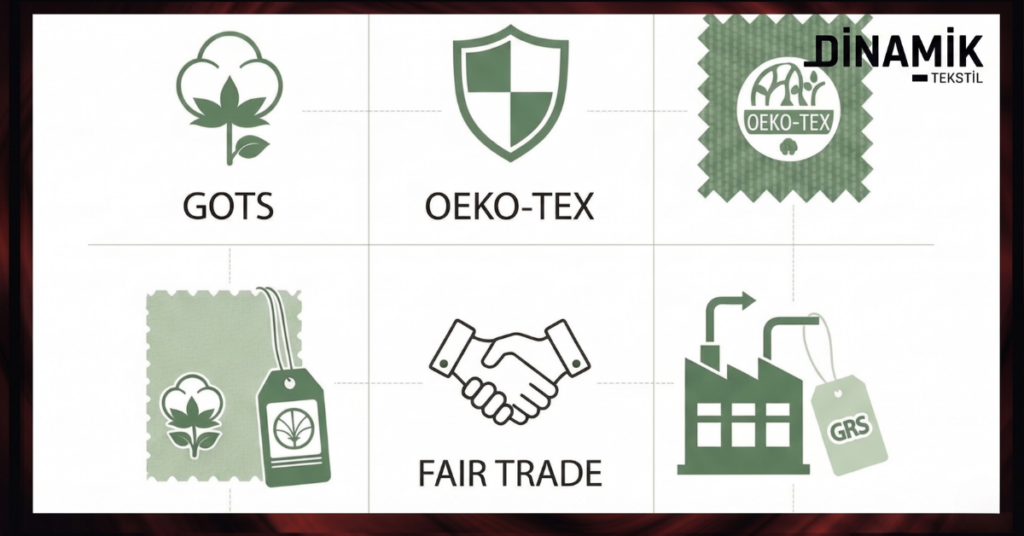
Certifications For Environmentally Friendly Materials
Never compromise on verified certifications when importing garments. Auditable standards guarantee that the materials you are purchasing are genuinely sustainable.
- GOTS (Global Organic Textile Standard): Ensures the organic status of textiles from harvesting the raw materials through environmentally and socially responsible manufacturing. (External Link: Link “GOTS” to the official global-standard.org website)
- GRS (Global Recycled Standard): Tracks and verifies the content of recycled materials in a final product.
- OEKO-TEX® Standard 100: Tests every component of the garment to ensure it is completely free from harmful substances. (External Link: Link “OEKO-TEX® Standard 100” to the official oeko-tex.com website)
Quality Control In Sustainable Clothing
Sustainable sourcing must still pass rigorous Quality Control (QC). B2B importers expect zero defects and maximum durability to prevent premature garment disposal.
- Shrinkage and Pilling Tests: Ensuring organic fabrics hold their shape and smooth texture over time.
- Colorfastness Checks: Guaranteeing low-impact eco-dyes do not bleed or fade during washing.
- Seam Strength Analysis: Preventing tears in recycled synthetics during high-stress movements.